Industrial Construction
Integrated Construction For Complex Industrial Projects
Building Industrial Infrastructure.
Supporting Reliable Operations.
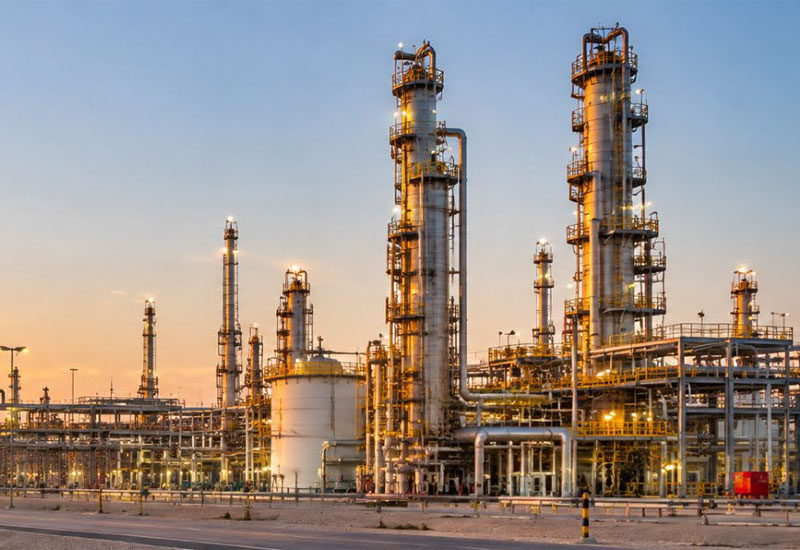
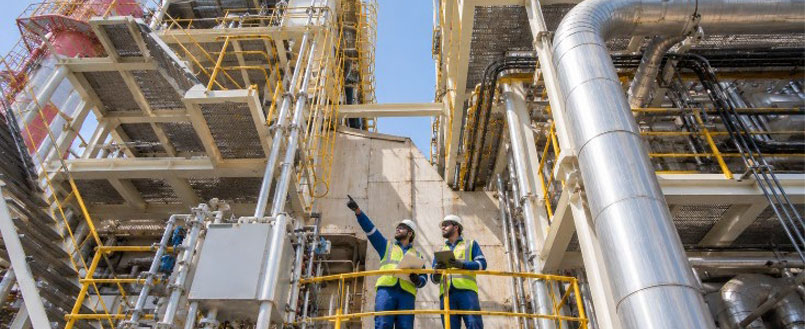
Excel Tech delivers multidisciplinary construction and project services across civil, mechanical, electrical, and instrumentation works, supporting industrial facilities through new construction, expansion, modification, and maintenance requirements.
Our practical project capabilities enable us to support demanding industrial environments through coordinated resources, experienced personnel, and a strong focus on safety, quality, and reliable execution.
Integrated Capabilities for
Industrial Projects
Mechanical Construction
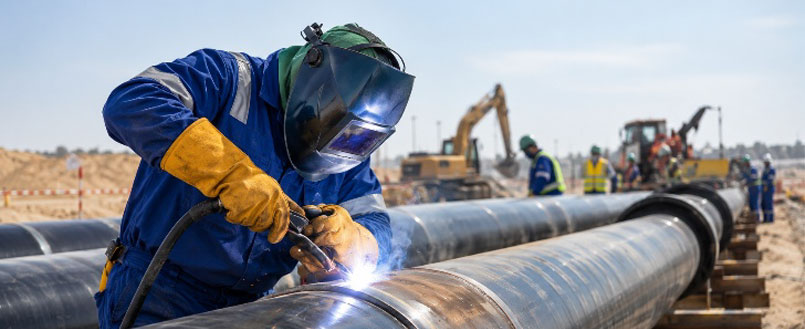
Fabrication, erection, piping, equipment installation and associated mechanical works supporting industrial projects and plant requirements.
Civil Construction
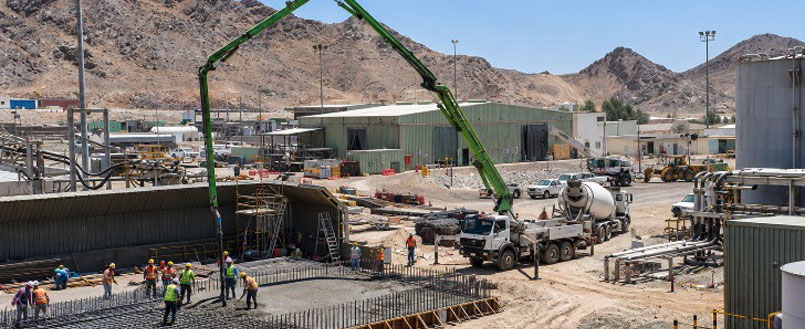
Civil and structural works, foundations, concrete works and associated infrastructure supporting industrial facilities and project requirements.
Electrical & Instrumentation
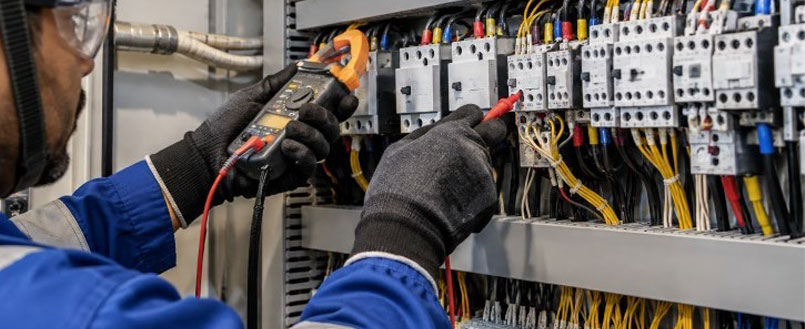
Electrical and instrumentation installation, cabling, termination and associated E&I works supporting industrial facilities and plant systems.
Plant Maintenance
Mechanical, electrical and instrumentation maintenance services supporting the safe, reliable and continuous operation of industrial facilities.
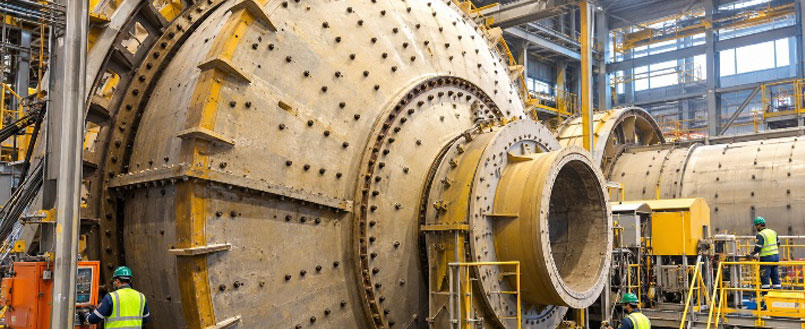
Mining Equipment & Conveyor Systems
Controlled cleaning of finned surfaces to remove dust, oil, grease and hydrocarbon deposits while protecting delicate fin geometry.
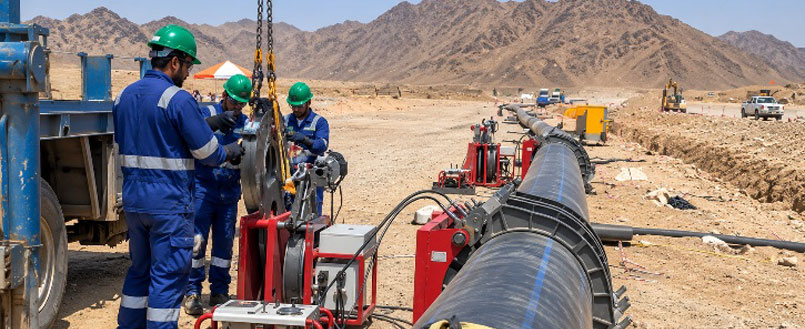
HDPE Pipe and Geomembrane Installation
HDPE piping, liner and geomembrane installation and welding solutions supporting industrial, mining and containment applications.
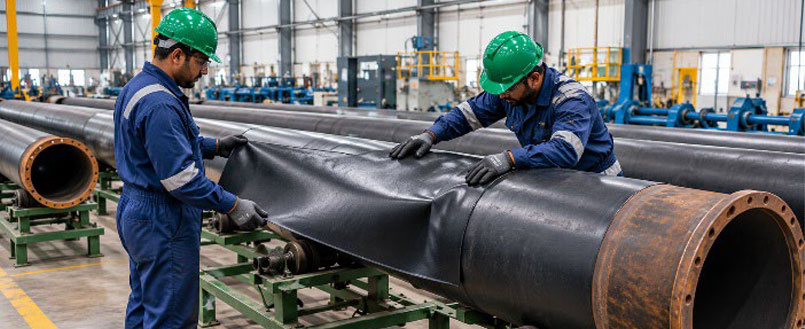
Rubber Lining
Specialized rubber lining application and repair services protecting industrial equipment and surfaces against abrasion, corrosion and demanding operating conditions.
Our NDT Services
Ultrasonic Testing
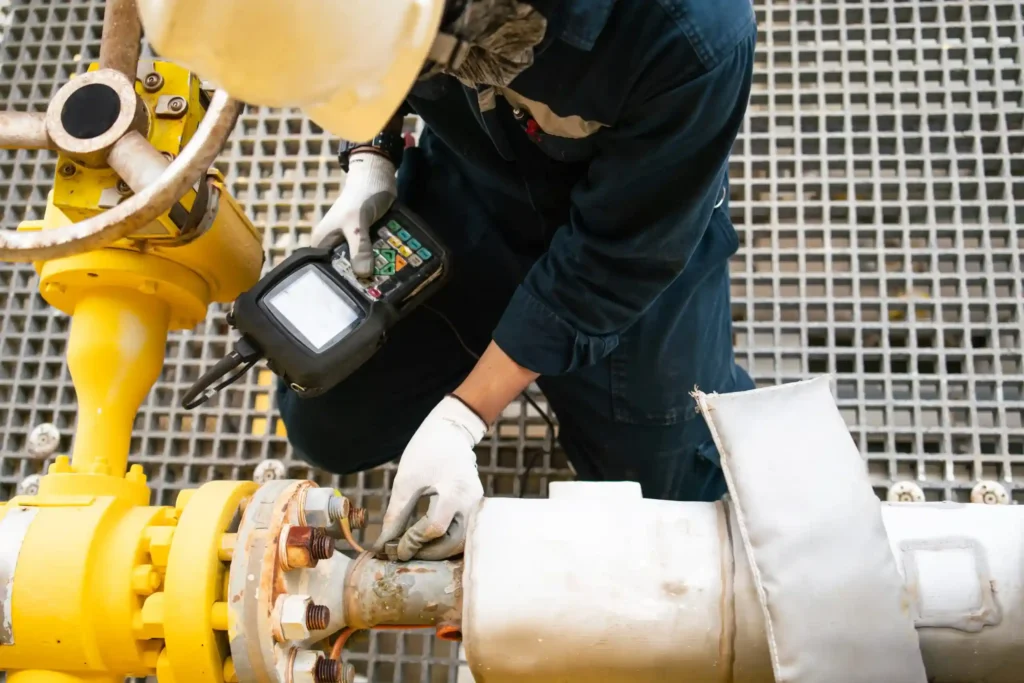
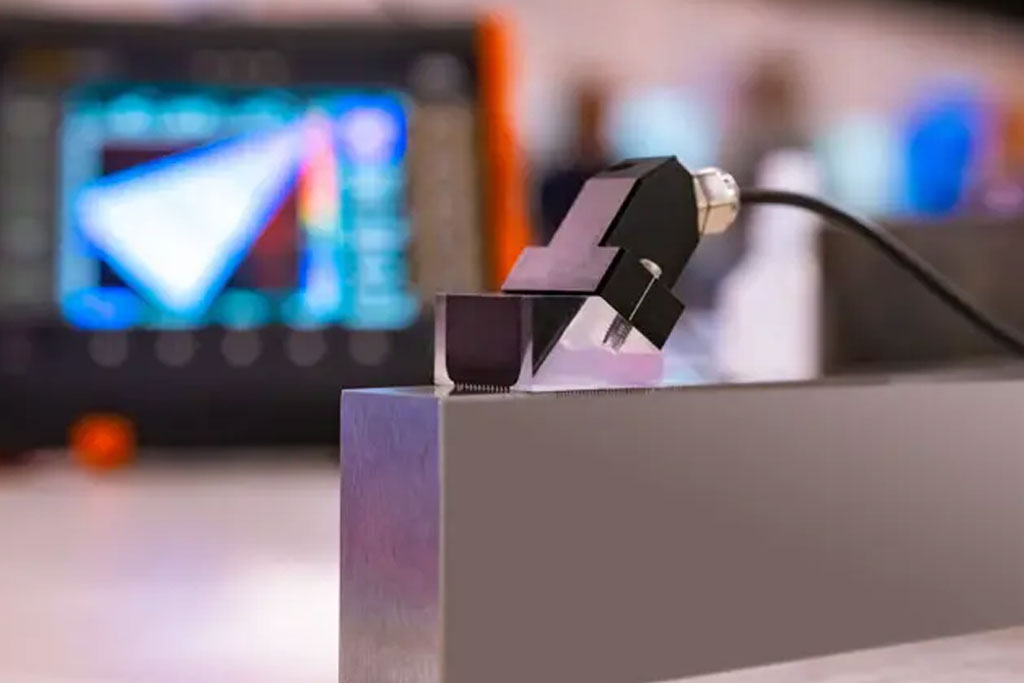
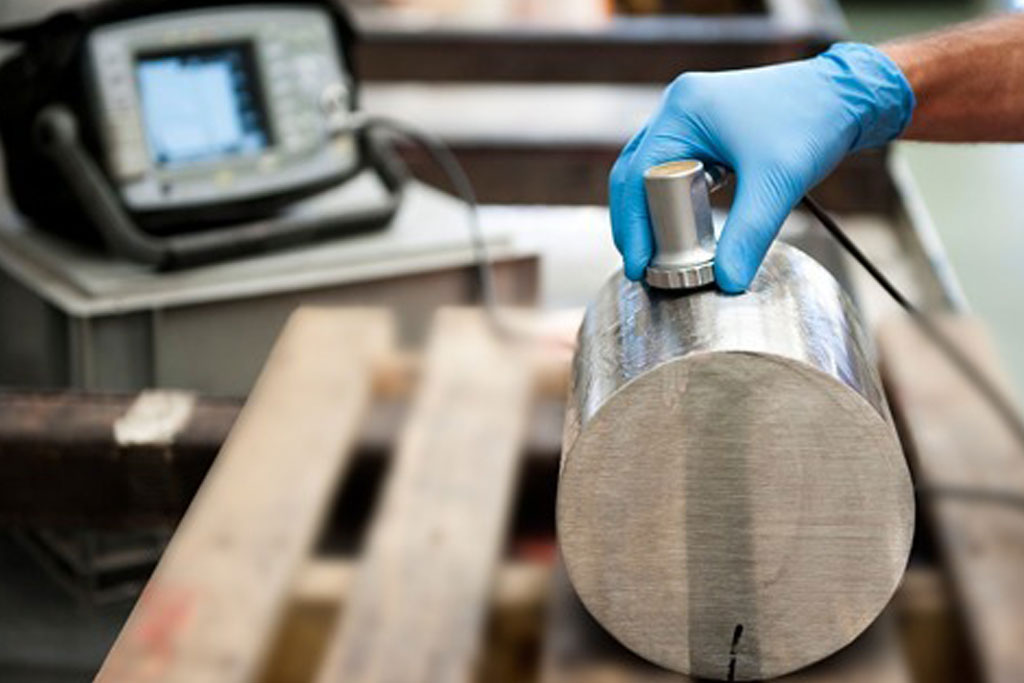
Ultrasonic Testing (UT) is an advanced inspection method used to detect internal defects and measure material thickness. High-frequency sound waves are transmitted through the test material, allowing inspectors to identify hidden discontinuities such as cracks, voids and inclusions.
Radiographic Testing
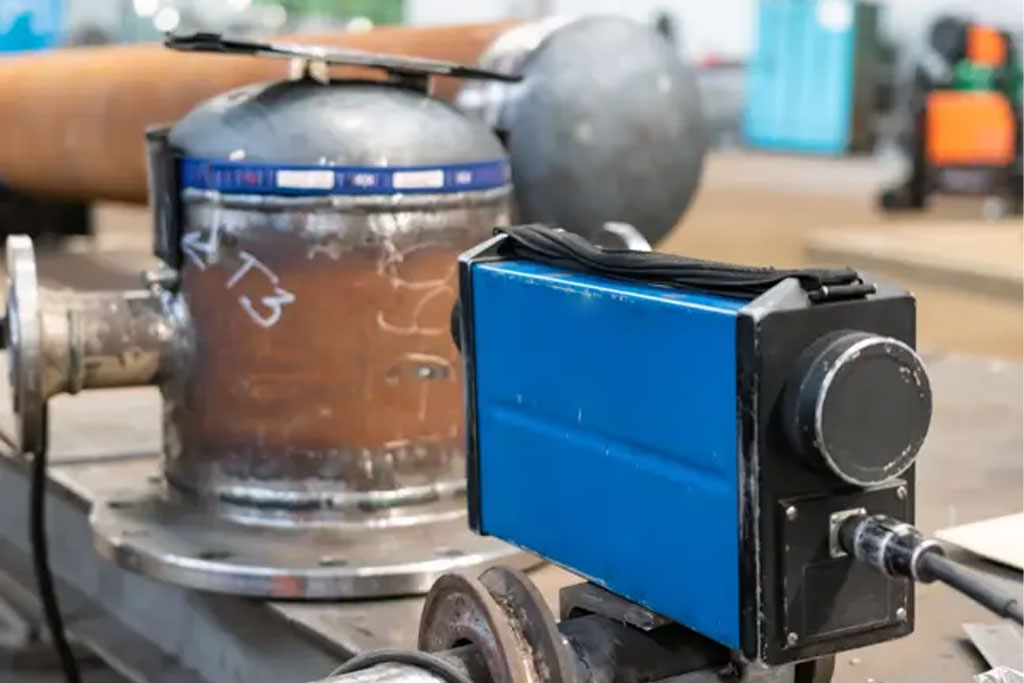
Radiographic Testing (RT) uses radiation to examine the internal structure of materials and welded components. This method provides a detailed image of internal conditions and helps identify defects that may not be visible on the surface.
Magnetic Particle Testing
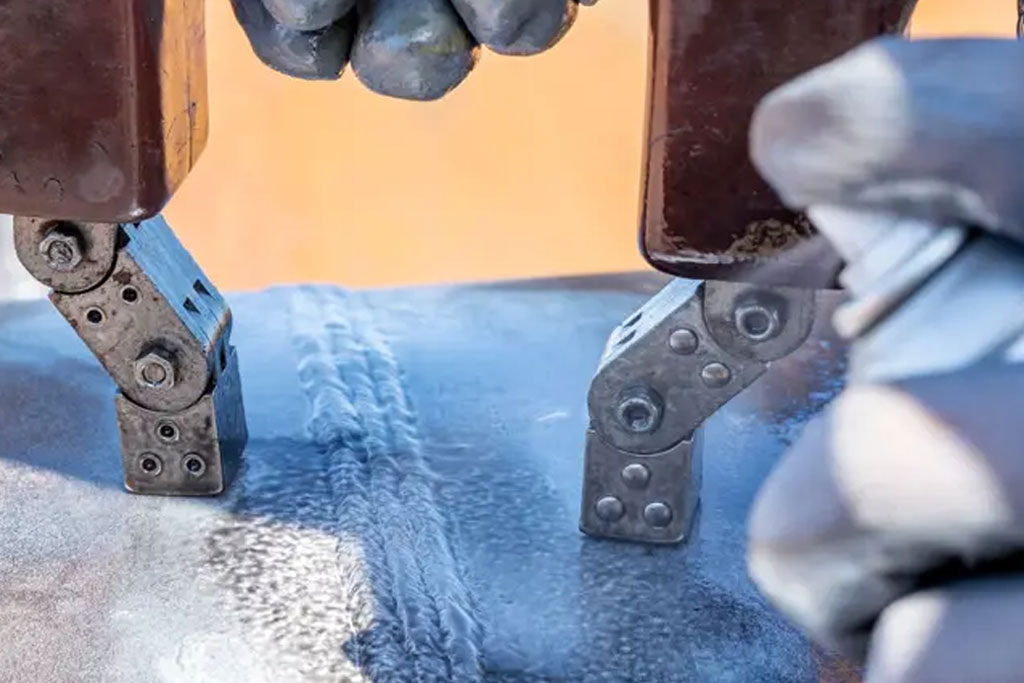
Magnetic Particle Testing (MT) is used to identify surface and near-surface defects in ferromagnetic materials. The inspection process helps reveal cracks and discontinuities that may not be visible during a visual inspection.
Positive Material Identification
Positive Material Identification (PMI) is used to verify the chemical composition and material grade of alloy components. It helps ensure that the correct materials have been used in manufacturing, fabrication and installation.
Penetrant Testing
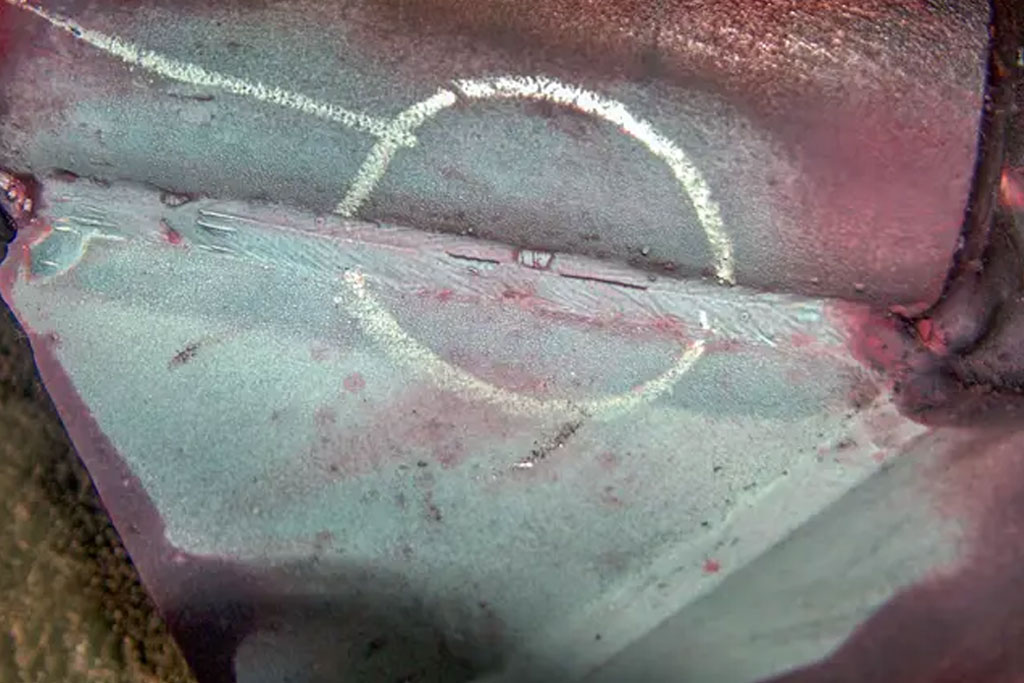
Penetrant Testing (PT) is a highly effective method for detecting surface-breaking defects in both ferrous and non-ferrous materials. A specially formulated penetrant is applied to the surface to reveal cracks and other discontinuities.
Hardness Testing
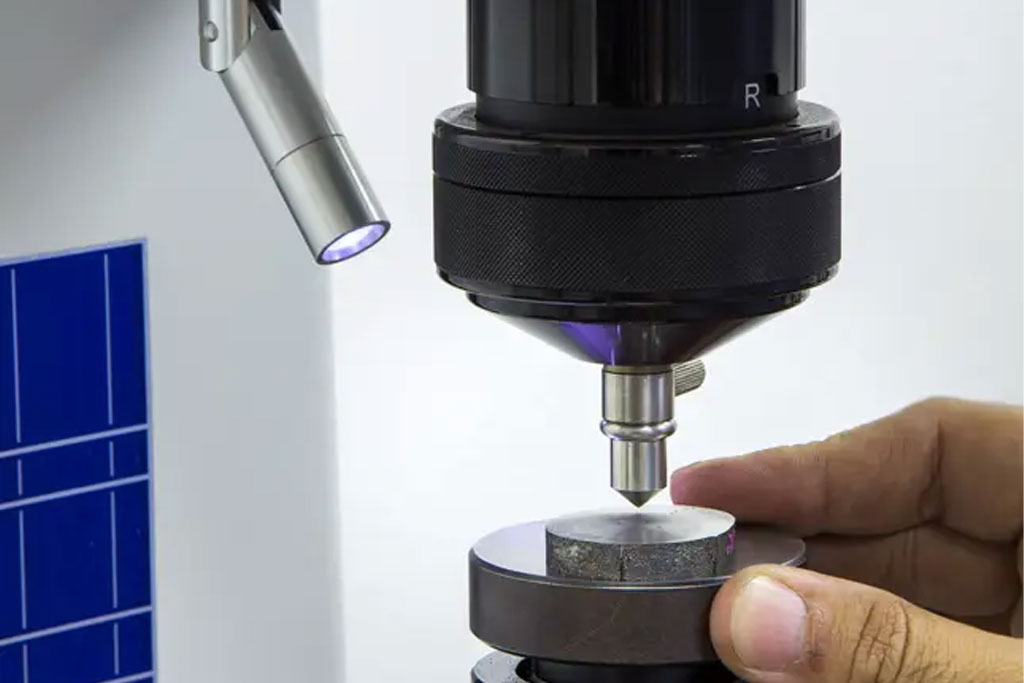
Hardness Testing is performed to determine the resistance of a material to deformation, penetration or indentation. It helps evaluate material properties and verify whether components meet required specifications.
Rope Access Inspection
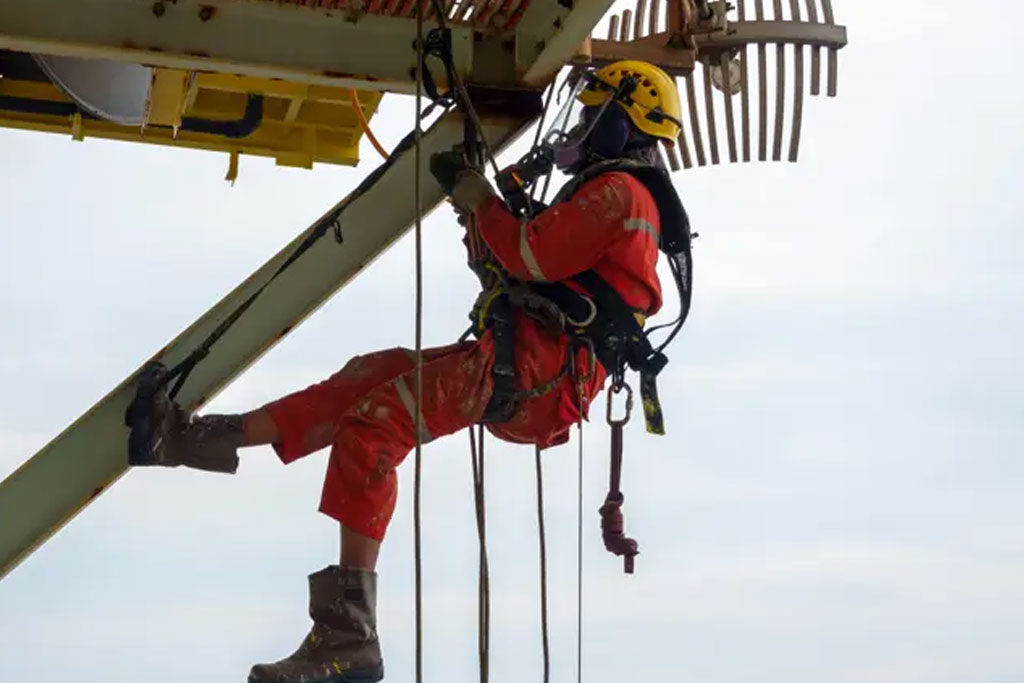
Our Rope Access Inspection services provide a safe and efficient solution for inspecting difficult-to-reach locations. This approach minimizes the need for scaffolding and heavy access equipment while allowing inspections to be performed effectively.
Advanced NDT Services
We also provide advanced and customized NDT solutions for complex inspection requirements. Our team evaluates each project carefully and recommends suitable testing methods based on the material, component, operating conditions and industry requirements.