ENGINEERED
CHEMICAL CLEANING
FOR CRITICAL PROCESS SYSTEMS
Cleaner Systems.
Safer Maintenance.
Faster Return To Service.
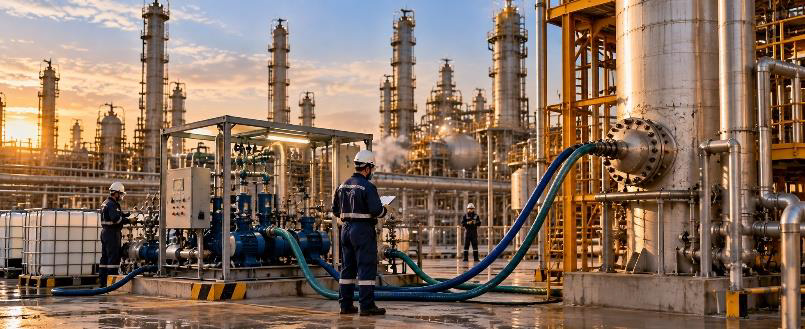
ExcelTech provides specialized industrial cleaning and decontamination services for refineries, petrochemical plants, oil & gas facilities and process industries across Saudi Arabia.
Our engineered solutions combine chemical cleaning, vapor- and liquid-phase techniques, hydrojetting and integrated cleaning methods to remove difficult contaminants, prepare equipment for maintenance and support a safe and efficient return to service.
Industrial Chemical Cleaning Services
Refinery Chemical Cleaning and Hydrocarbon Decontamination
Engineered removal of hydrocarbons and hazardous process residues to prepare refinery equipment for inspection, maintenance and turnaround activities.
Vapor-Phase Chemical Cleaning
& Decontamination
Steam-assisted chemical treatment for efficient decontamination of process equipment, complex internals and difficult-to-access surfaces
Liquid-Phase Chemical
Cleaning
Controlled chemical circulation through equipment and piping systems for effective removal of hydrocarbons, deposits and process contamination.
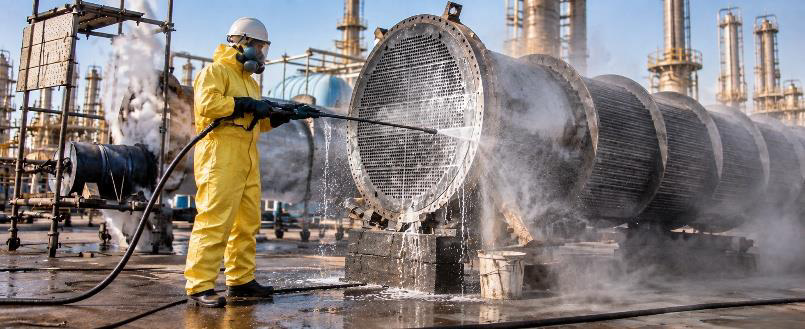
Heat Exchanger
Cleaning
Specialized chemical and combined cleaning solutions to remove fouling, scale and process deposits and restore heat-transfer performance.
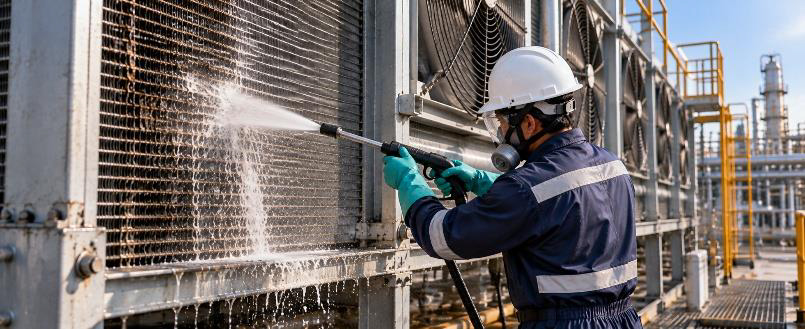
Fin-Fan Air Cooler
Cleaning
Controlled cleaning of finned surfaces to remove dust, oil, grease and hydrocarbon deposits while protecting delicate fin geometry.
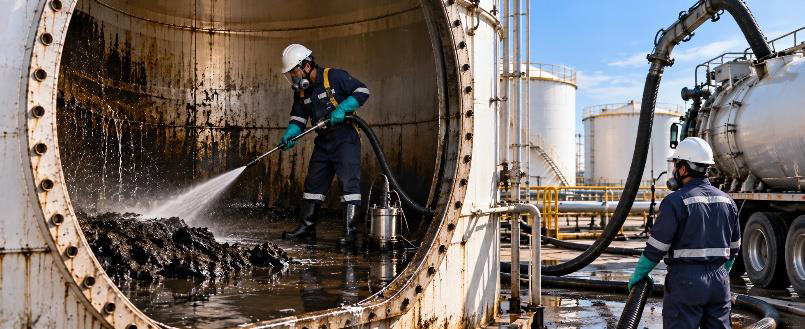
Tank Cleaning and Hydrocarbon
Sludge Removal
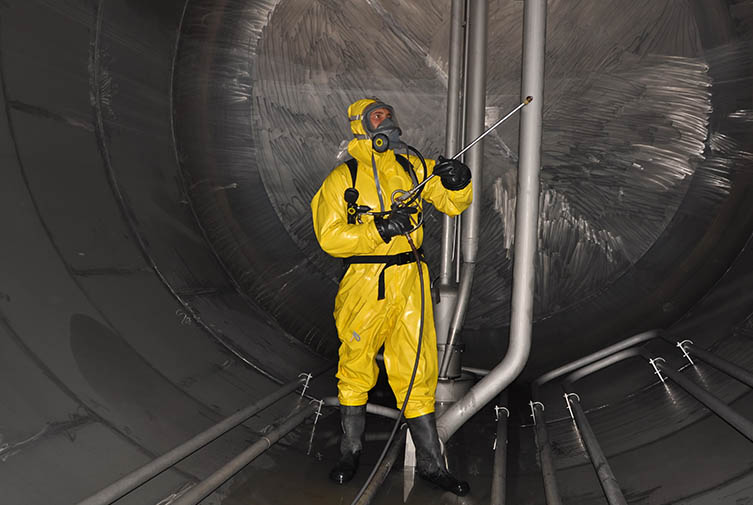
Engineered cleaning and effective removal of sludge, hydrocarbons and accumulated deposits from industrial storage tanks and process vessels.
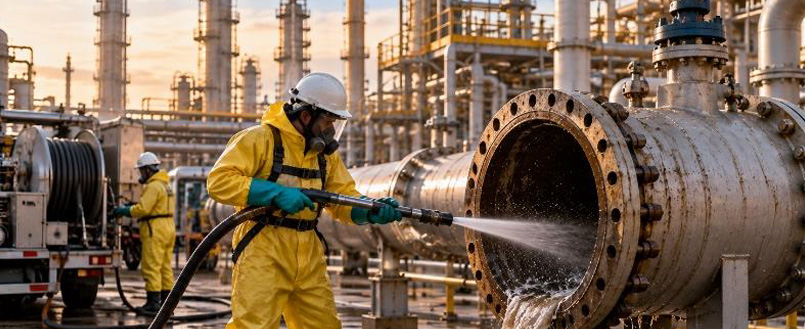
Pipeline and Process Piping
Cleaning
Engineered cleaning of pipelines and process piping to remove internal deposits, hydrocarbons, scale and contaminants and restore system cleanliness and flow.
Industrial Chemical
Descaling
Controlled removal of mineral scale, rust and inorganic deposits from process equipment and piping to restore clean surfaces and operational efficiency.
Industrial
Degreasing
Removal of oil, grease and hydrocarbon contamination from equipment and piping before maintenance, inspection or treatment.
Chemical Cleaning +
Hydrojetting
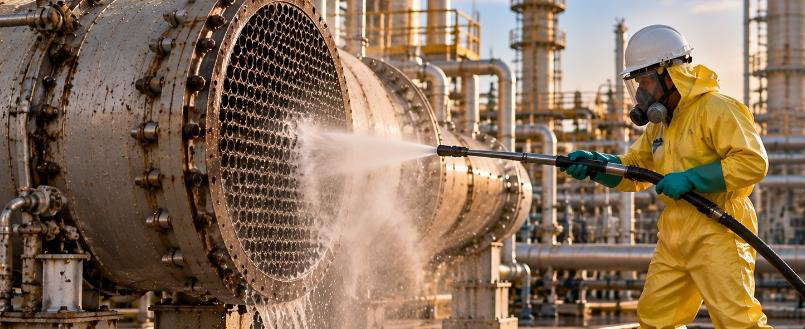
Integrated chemical cleaning and high-pressure water jetting for difficult fouling and deposits where combined cleaning methods provide more effective removal
Turnaround Shutdown
and Cleaning
Industrial cleaning and decontamination during planned shutdowns and turnarounds, preparing equipment for maintenance and timely return to service.
Our NDT Services
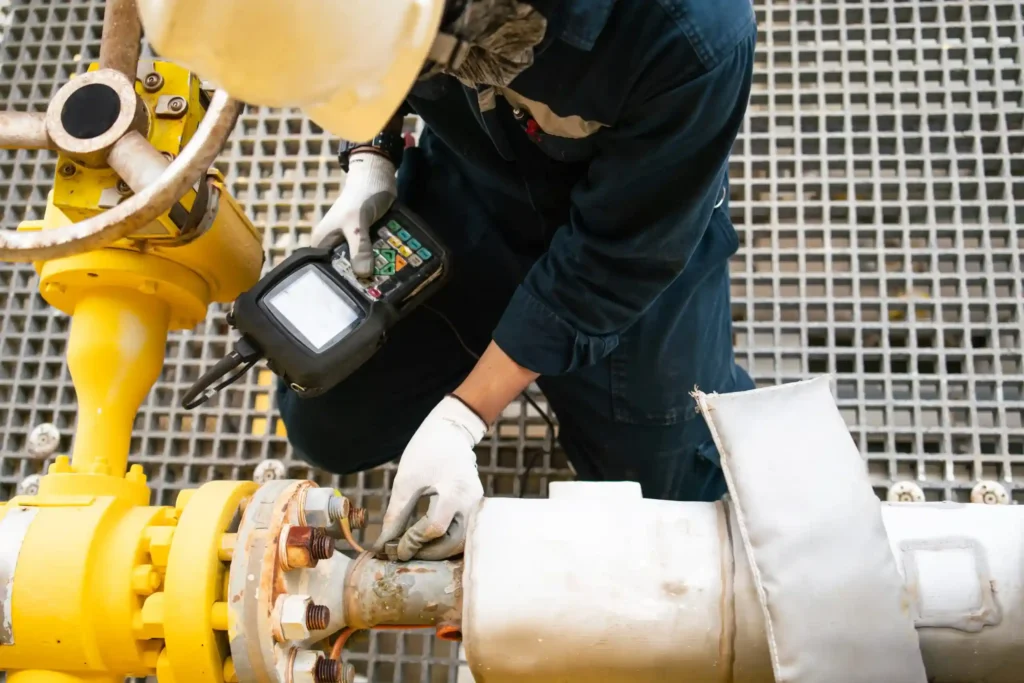
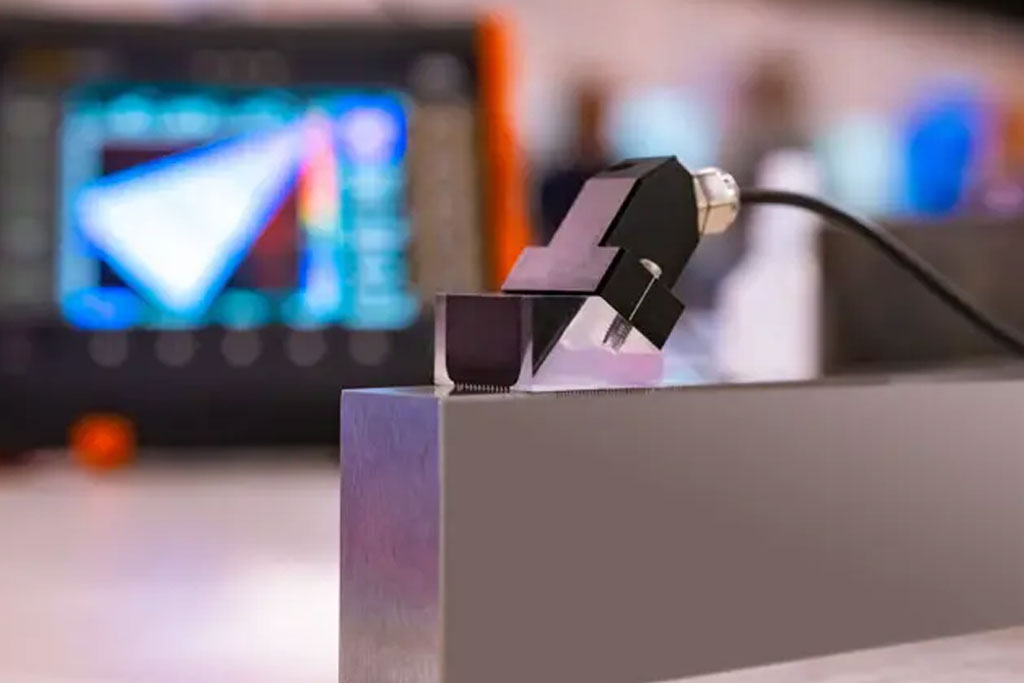
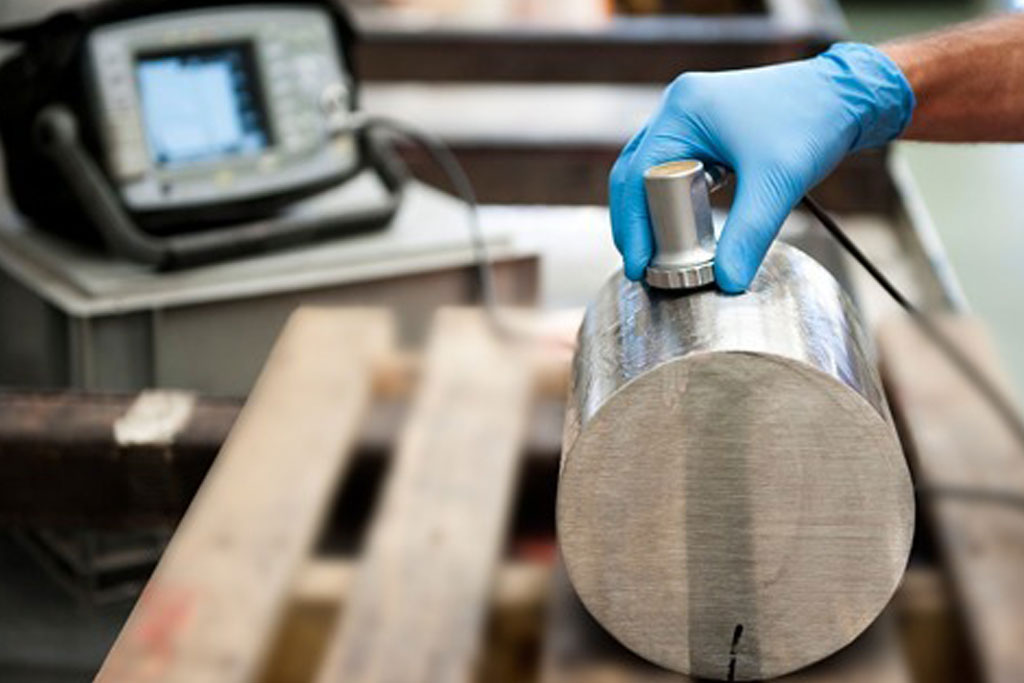
Ultrasonic Testing
Ultrasonic Testing (UT) is an advanced inspection method used to detect internal defects and measure material thickness. High-frequency sound waves are transmitted through the test material, allowing inspectors to identify hidden discontinuities such as cracks, voids and inclusions.
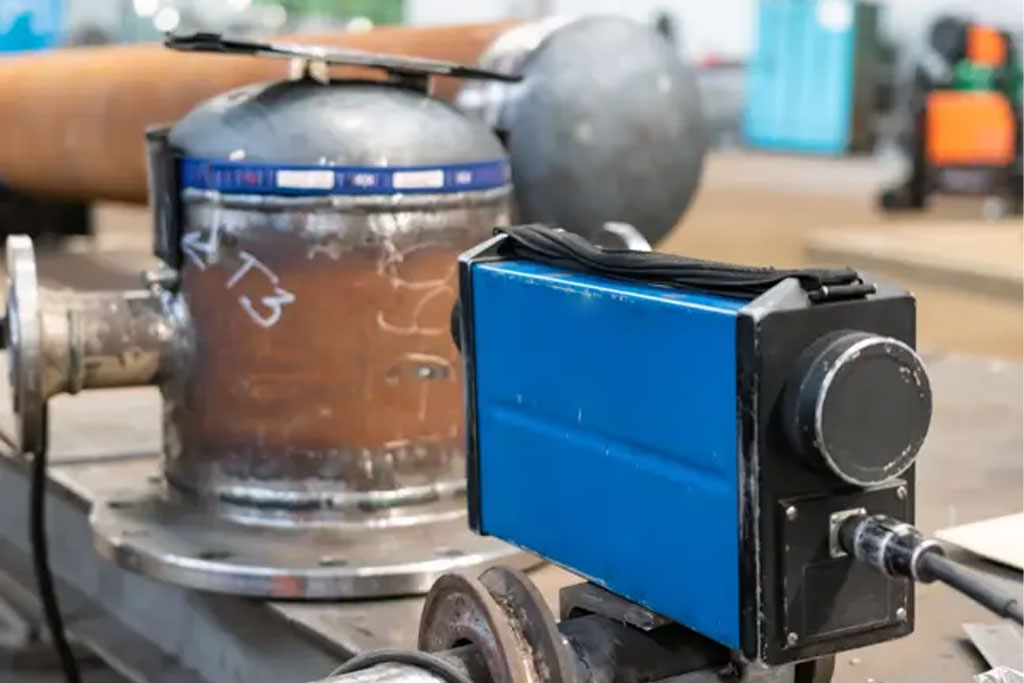
Radiographic Testing
Radiographic Testing (RT) uses radiation to examine the internal structure of materials and welded components. This method provides a detailed image of internal conditions and helps identify defects that may not be visible on the surface.
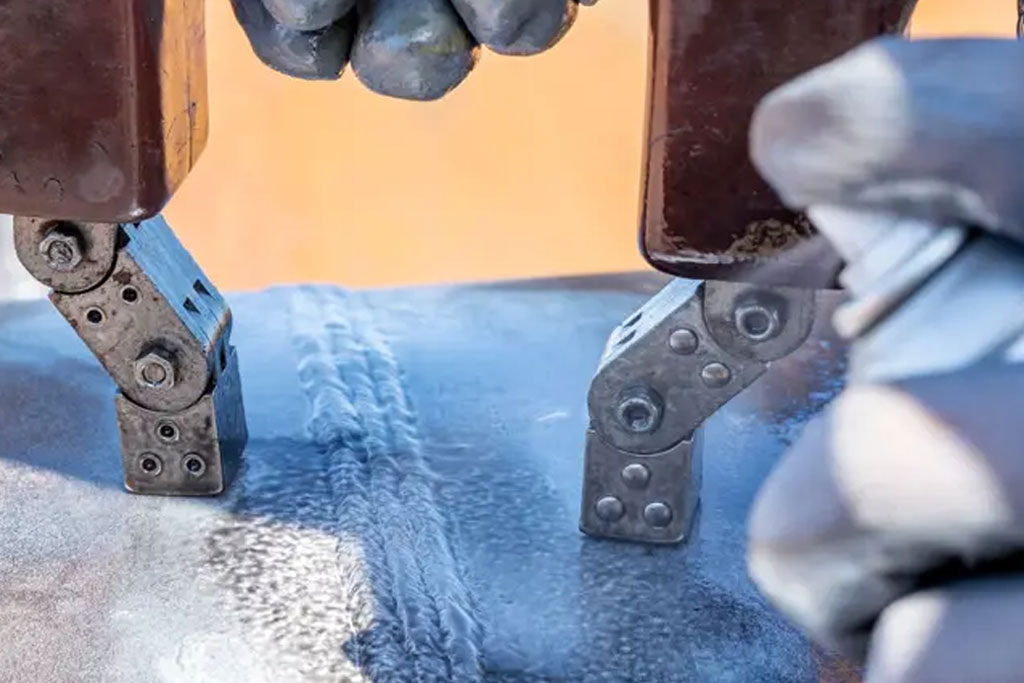
Magnetic Particle Testing
Magnetic Particle Testing (MT) is used to identify surface and near-surface defects in ferromagnetic materials. The inspection process helps reveal cracks and discontinuities that may not be visible during a visual inspection.
Positive Material Identification
Positive Material Identification (PMI) is used to verify the chemical composition and material grade of alloy components. It helps ensure that the correct materials have been used in manufacturing, fabrication and installation.
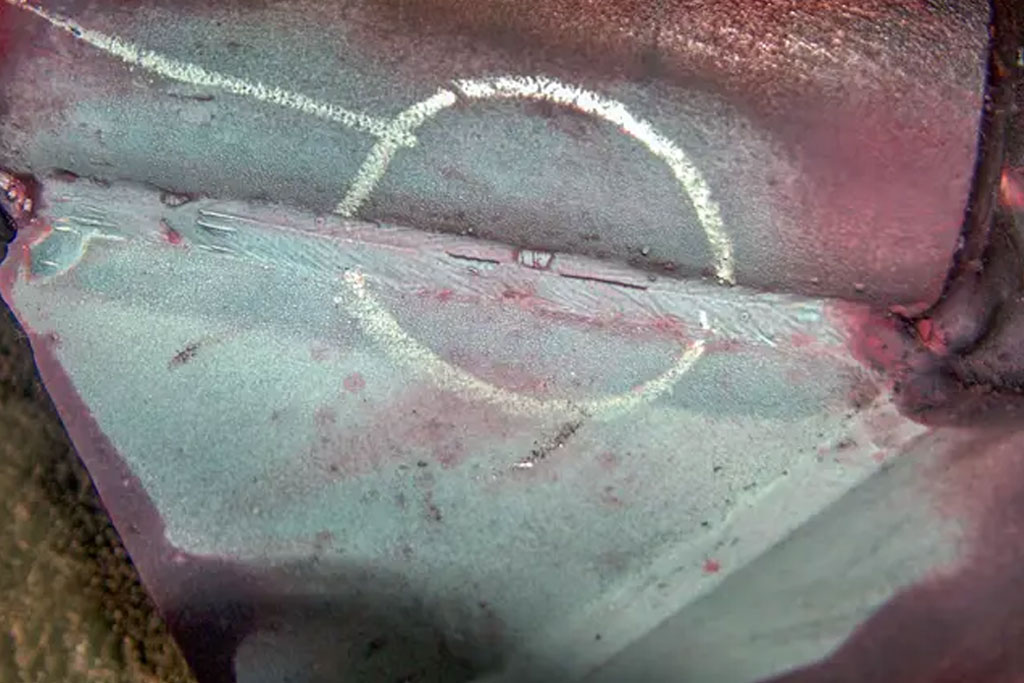
Penetrant Testing
Penetrant Testing (PT) is a highly effective method for detecting surface-breaking defects in both ferrous and non-ferrous materials. A specially formulated penetrant is applied to the surface to reveal cracks and other discontinuities.
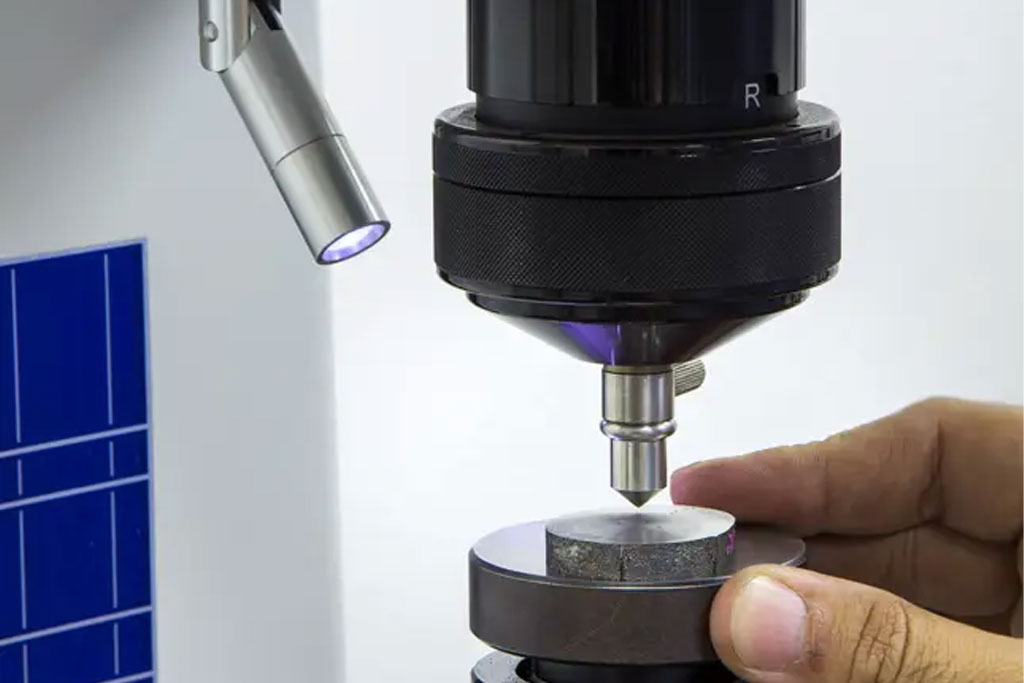
Hardness Testing
Hardness Testing is performed to determine the resistance of a material to deformation, penetration or indentation. It helps evaluate material properties and verify whether components meet required specifications.
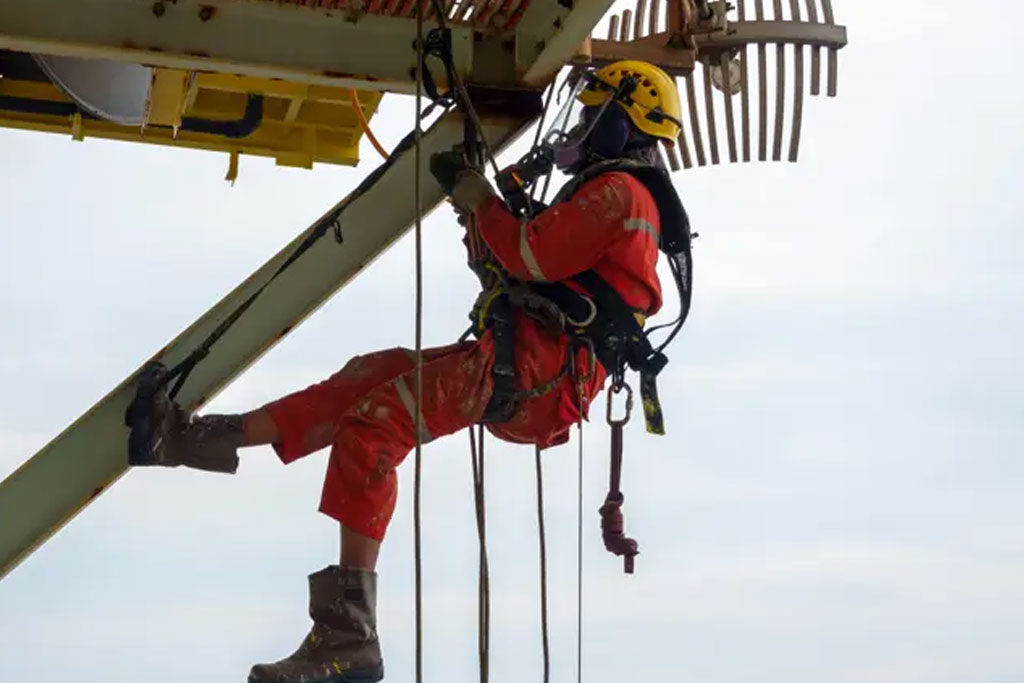
Rope Access Inspection
Our Rope Access Inspection services provide a safe and efficient solution for inspecting difficult-to-reach locations. This approach minimizes the need for scaffolding and heavy access equipment while allowing inspections to be performed effectively.
Advanced NDT Services
We also provide advanced and customized NDT solutions for complex inspection requirements. Our team evaluates each project carefully and recommends suitable testing methods based on the material, component, operating conditions and industry requirements.